
XM Series
This technology is based on the ARMv8-A architecture and utilises an octa-core Cortex-A53 processor. It supports a memory bandwidth of up to 6.4 GB/s, enabling high-traffic processing tasks such as 1080p video encoding and decoding, 3D graphics rendering, and high-resolution image signal processing for Full HD displays.
The embedded touch system consists of a TFT LCD, touch panel, and ARM-based control board. It is designed for industrial applications, with particular emphasis on use as a main control unit for medical equipment, where stability and reliability are critical.

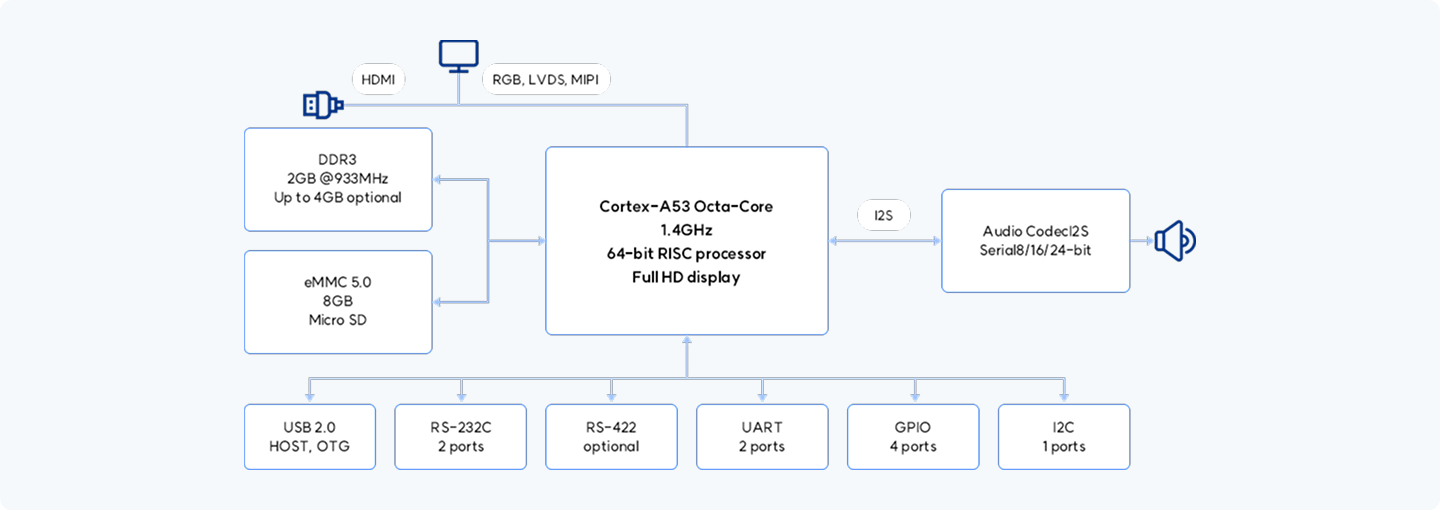
The S5P6818 utilises an octa-core Cortex-A53 processor and supports 64-bit data processing together with an expanded virtual address space when operating in the ARM64 execution state.
Based on the ARMv8-A instruction set, the Cortex-A53 introduces two sub-instruction sets, AArch32 and AArch64, enabling compatibility with both the legacy ARM32 architecture and modern 64-bit processing through AArch64. To handle high-traffic workloads such as 1080p video encoding and decoding, 3D graphics rendering, and Full HD high-resolution image signal processing, the S5P6818 supports a memory bandwidth of up to 6.4 GB/s.
The S5P6818 delivers excellent 3D graphics performance through broad API support, including OpenGL ES 1.1 and 2.0, enabling smooth and complete Full HD graphics output.
In particular, its native dual-display capability supports a Full HD main display and a simultaneous 1080p 60-frame HDTV output via HDMI. Through a dedicated post-processing pipeline, the S5P6818 enables realistic and flexible display configurations suitable for real-world application scenarios. The XM Series is specifically designed for medical applications. It operates on the open-source Linux kernel version 4.4.8 and supports Qt open-source version 5.6 as the user interface framework, providing a stable and flexible software environment for medical device control systems.
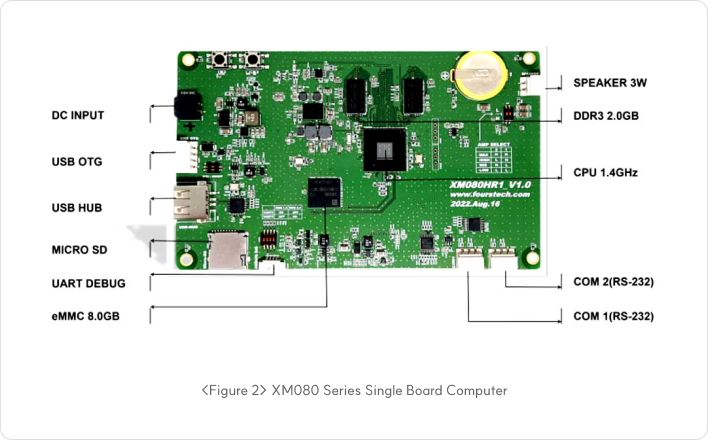
Single Board Computer
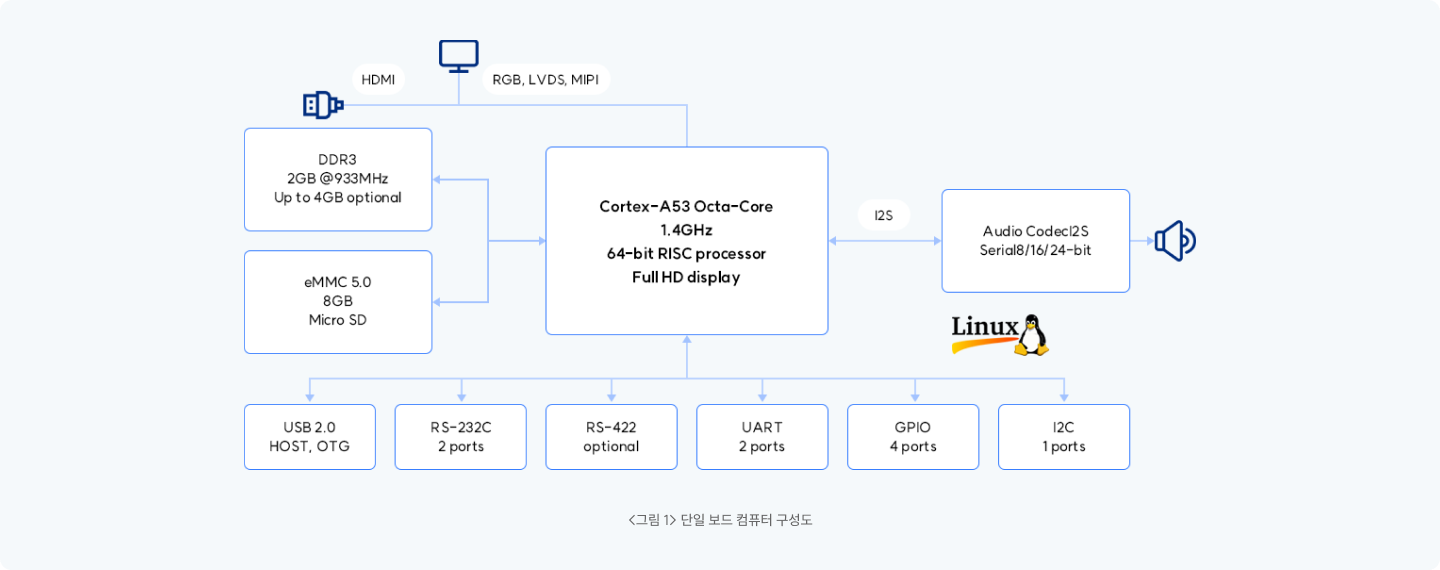
The S5P6818 uses the Cortex-A53 Octa-core and provides 64-bit data execution and a larger virtual address space in the ARM64 architecture execution state.
Based on the ARMv8-A instruction set, the Cortex-A53 introduces two sub-instruction sets, AArch32 and AArch64, enabling the use of 64-bit structures through AArch64 in addition to the traditional ARM32 architecture.
The S5P6818 supports 6.4GB/s memory bandwidth to manage heavy traffic tasks like 1080p video encoding/decoding, 3D graphics display, and Full HD high-resolution image processing.
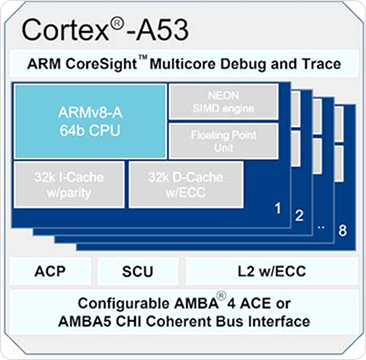
As shown in Figure 1, it provides various interfaces such as display, communication, and memory. For the operating system, it supports Ubuntu 18.04 LTS on Linux 4.4.8 and supports Qt as an open-source project.
The S5P6818 delivers peak 3D graphics performance with extensive APIs like OpenGL ES1.1 and 2.0, supporting seamless Full HD.
Specifically, the native dual display supports Full HD resolution on the main screen and 1080p 60fps HDTV display via HDMI simultaneously.
Through a dedicated post-processing pipeline, the S5P6818 can implement real-world display scenarios.
The XM series is designed for medical applications and does not utilize the full performance of the S5P6818 to ensure optimization for medical environments.
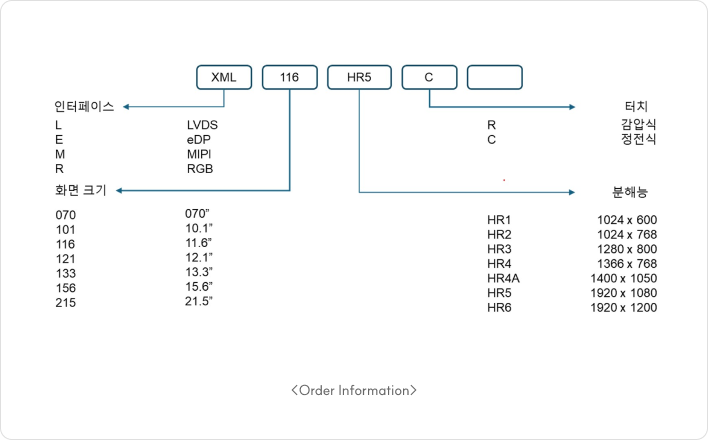
TFT LCD
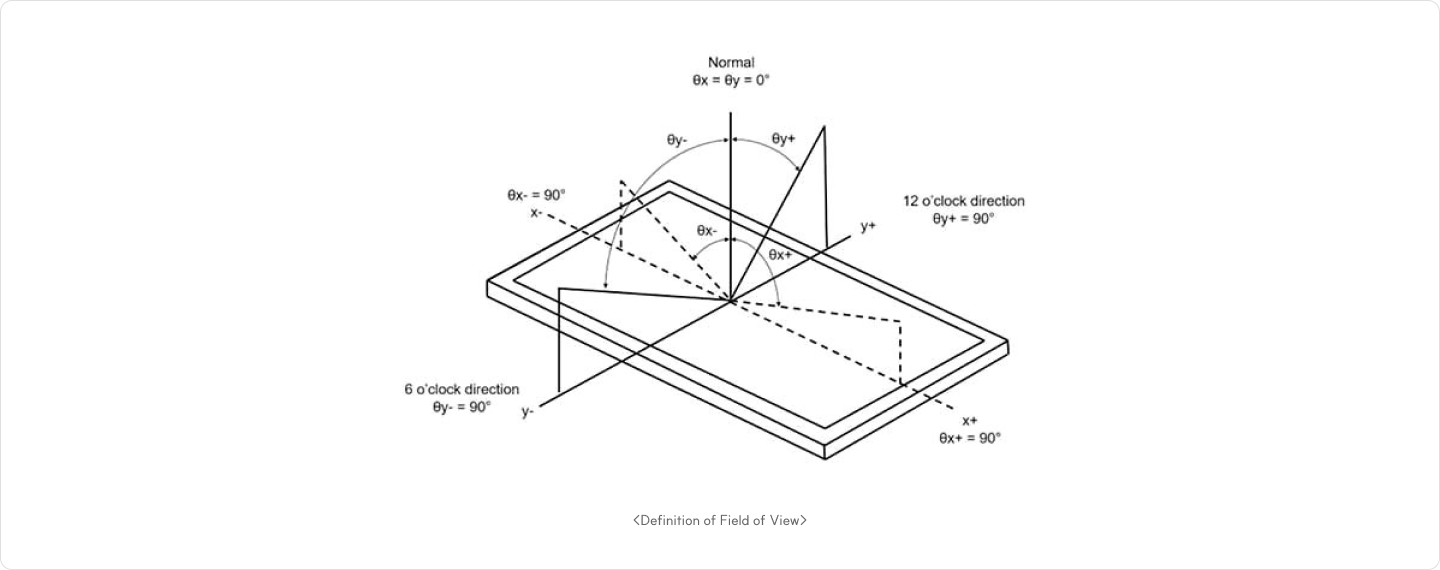
The XM series supports various TFT LCDs for Full HD display applications. Depending on each LCD specification, different display interfaces (RGB, LVDS, MIPI) and display viewing angles can be applied.
The S5P6818 provides top 3D graphics performance through various APIs such as OpenGL ES1.1 and 2.0, supporting Full HD with peak 3D capabilities.
In particular, the built-in dual display supports a Full HD resolution main display and a 1080p 60fps HDTV display via HDMI simultaneously.
Through a separate post-processing pipeline, the S5P6818 can create actual display scenarios.
Touch Panel
The main difference between resistive and capacitive touch technology lies in the structure of the touch panel, which significantly impacts functionality and cost.
Most optional devices such as LCDs, touch panels, and interfaces depend on the intended use. Please feel free to contact us if you have any specific requests.
Advantages of Resistive Touch
· Lower cost compared to capacitive touch
· Resistant to external environments
· Responds to non-conductive materials (e.g., gloves)
· Suitable for handwriting recognition
Disadvantages of Resistive Touch
· Lower sensitivity compared to capacitive touch
· Lower clarity and brightness